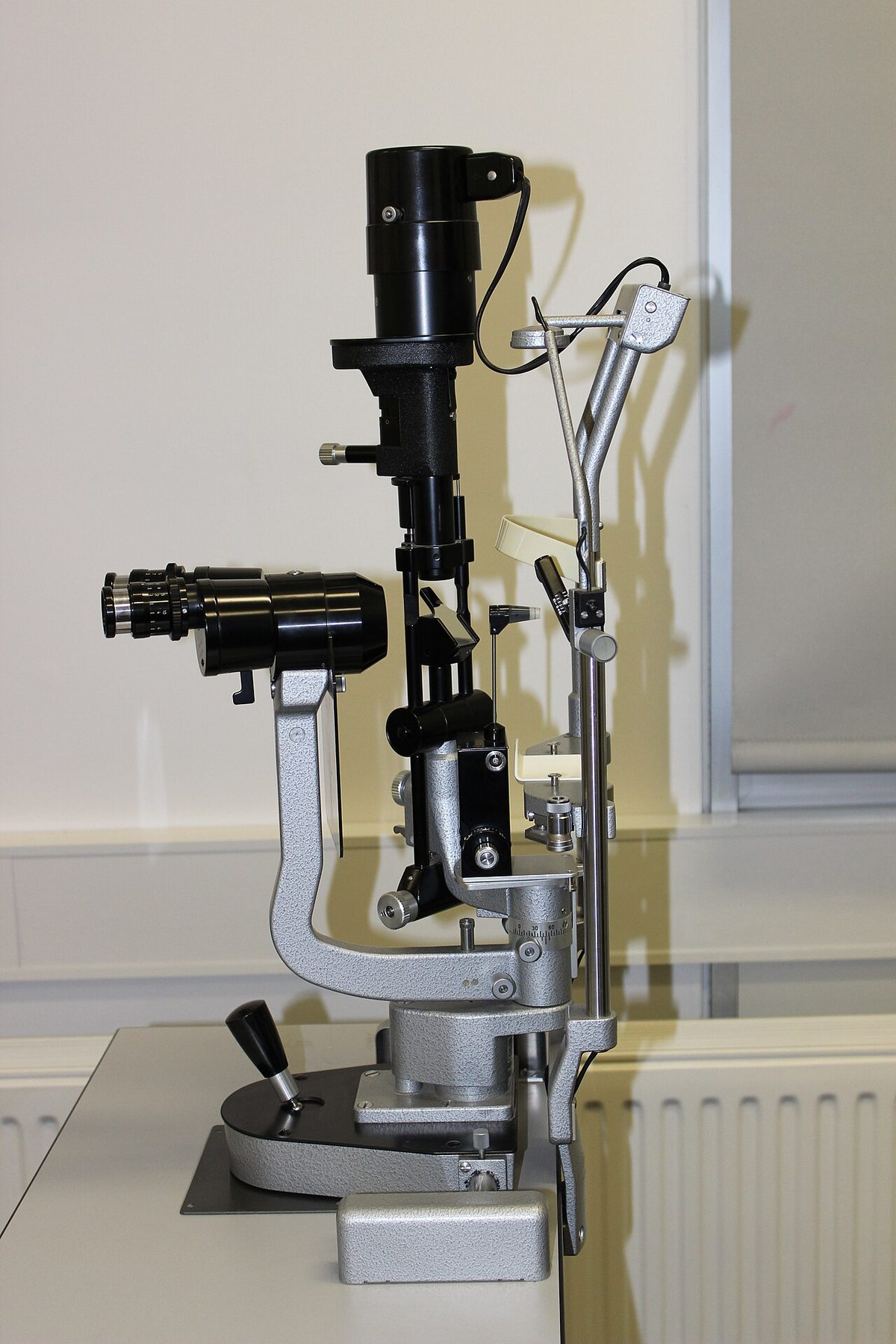
Tonometry is a test that measures the pressure inside your pet's eye. It takes about ten seconds, costs roughly $30 to $150, and does not hurt. It matters far more than that description suggests, because the condition it detects — glaucoma — can destroy vision within hours to days, and it is one of the few eye problems in dogs and cats where the same day genuinely changes the outcome.
Why a red or cloudy eye is urgent
Glaucoma is a build-up of pressure inside the eye caused by fluid that cannot drain properly. That pressure damages the retina and optic nerve, and the damage is permanent. In acute glaucoma, an eye can go from apparently normal to irreversibly blind in 24 to 48 hours.
Go the same day if you see:
- A suddenly cloudy, red or visibly enlarged eye
- A dilated pupil that does not respond to light
- Obvious pain — squinting, tearing, rubbing the face, or a pet that is simply withdrawn and off food
- Bumping into furniture or apparent sudden loss of vision
- A pet who has already lost one eye to glaucoma and whose second eye changes
Pain in an eye is easy to miss, because animals rarely cry out. Withdrawal and reduced appetite are often the only signs.
What the test is actually like
A drop of local anaesthetic goes in first for the contact technique, then a small probe touches the surface of the cornea — or, with a rebound tonometer, a tiny probe bounces off it and no anaesthetic is needed at all. Most pets barely react. There is no sedation, no needle and no recovery time.
You may hear two instrument names. The TonoPen is an applanation tonometer, which flattens a small area of cornea. The TonoVet is a rebound tonometer, widely used because it is quick and well tolerated. Both give a number in millimetres of mercury (mmHg).
Reading the result
Normal intraocular pressure in dogs and cats sits roughly in the 10 to 25 mmHg range, though the exact interval depends on the instrument and the individual.
The single most informative comparison is often not the absolute number but the difference between the two eyes. A meaningful gap between left and right suggests something is wrong in one of them even when both readings fall inside the published range.
Pressure is also checked when an eye is too soft. Low pressure usually means inflammation inside the eye (uveitis), which has its own causes and its own urgency.
Technique affects the number. Pressure on the neck, tight restraint, or a struggling patient all falsely raise the reading, which is why a proper measurement uses gentle handling and no pressure on the jugular. And a single normal reading does not rule out glaucoma in a predisposed breed — pressure fluctuates through the day, so repeat measurement over time is how the diagnosis is really made.
Primary versus secondary glaucoma
Primary glaucoma is inherited, affects both eyes over time, and is concentrated in specific breeds: Cocker Spaniels, Basset Hounds, Beagles, Shar-Peis, Chow Chows, Siberian Huskies and Boston Terriers. If one eye is lost to primary glaucoma, the other is at high risk — and preventive treatment of the remaining eye is a genuine conversation worth having early rather than after the fact.
Secondary glaucoma results from another problem inside the eye: uveitis, a [luxated lens](/procedures/lens-luxation-surgery/), trauma, bleeding or a tumour. Here treatment targets the underlying cause. Where an eye is blind and painful despite treatment, [enucleation](/procedures/enucleation/) removes the pain — a decision owners find distressing but which reliably makes animals more comfortable.
Species differences
Dogs are the main patients for primary glaucoma, and breed risk is concrete enough to act on.
Cats rarely get primary glaucoma. Feline cases are usually secondary, most often to chronic uveitis, and cats show far fewer outward signs — the eye may simply look subtly larger over weeks. Suspicion has to be higher because the presentation is quieter.
Rabbits develop glaucoma too, including an inherited form in some New Zealand White lines. Exotic species need species-specific reference ranges: a dog's normal is not a rabbit's normal, and a bird's is different again. If your pet is not a dog or cat, ask whether the clinic has appropriate reference values for the species.
Where to have it done
Most general practices own a tonometer and can measure pressure the same day — which is exactly why an urgent eye should be seen rather than watched overnight. Confirmed or complicated glaucoma is managed by a board-certified veterinary ophthalmologist (DACVO), who can offer laser and drainage procedures a general practice cannot.
If your pet's eye looks wrong today, the useful question on the phone is simply: "Can you check the eye pressure today?"
Who isn't a candidate
- Other: A deep corneal ulcer or a perforated or ruptured globe — pressing on an eye that may rupture is dangerous, so the clinician assesses the surface first and may defer or use a non-contact technique.
- Other: Readings are affected by how the animal is held. Pressure on the neck or eyelids, or a struggling patient, falsely raises the number; a proper reading needs gentle restraint and no pressure on the jugular.
- Other: A single normal reading does not exclude glaucoma in a predisposed breed, and pressure fluctuates through the day. Repeat measurement over time is how the diagnosis is actually made.
Common questions
What is tonometry in dogs and cats?
A quick test that measures the pressure inside the eye using a small probe that touches or rebounds off the cornea. It takes about ten seconds, needs no sedation, and is the main way glaucoma is detected and monitored.
How much does an eye pressure test cost for a pet?
Usually $30 to $150, often included within the cost of an eye examination. It is one of the least expensive diagnostic tests in veterinary medicine relative to what it rules in or out.
What is normal eye pressure in a dog?
Roughly 10 to 25 mmHg in dogs and cats, though the exact range depends on the instrument used. A significant difference between the two eyes is often more meaningful than either individual number.
Is glaucoma in dogs an emergency?
Yes. Acute glaucoma can cause permanent blindness within 24 to 48 hours. A suddenly red, cloudy or enlarged eye, a dilated unresponsive pupil, or an obviously painful eye should be seen the same day, not the next.
Does an eye pressure test hurt my pet?
No. A local anaesthetic drop is used for the contact technique, and rebound tonometry needs no drop at all. Most animals barely react, and there is no sedation or recovery time involved.
Sources
Looking for a specific clinic? Browse our directory of specialist veterinary practices.