BluePearl Veterinary Cyberknife Cancer Center
BluePearl Veterinary Cyberknife Cancer Center is a general practice practice in Philadelphia, PA.
About
BluePearl Veterinary CyberKnife Cancer Center in Malvern, PA, specializes in advanced radiation oncology for pets. The center utilizes a CyberKnife unit, described as the only dedicated veterinary CyberKnife in the world, alongside a linear accelerator for precision radiation. They offer various advanced radiation therapies, including Intensity-Modulated Radiation Therapy (IMRT) and Stereotactic Radiosurgery (SRS), also known as Stereotactic Radiation Therapy (SRT), with CyberKnife robotic radiotherapy being a key offering.
The center operates on a referral basis, with pets typically referred by their primary veterinarian or oncologist. It is located adjacent to the BluePearl Pet Hospital in Malvern, facilitating seamless collaboration with a medical oncology team. A comprehensive team approach involves radiation oncologists, veterinary technicians, support staff, the primary care veterinarian, and other veterinary specialists like neurologists or internal medicine specialists to ensure coordinated care.
Photos
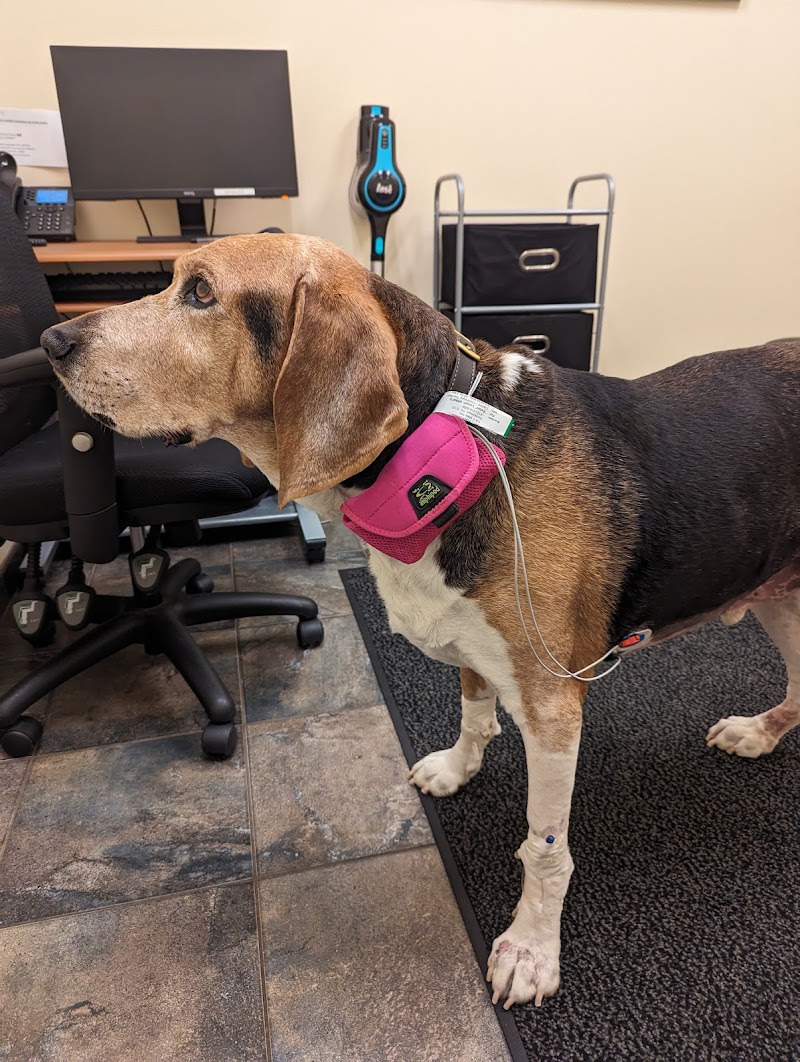



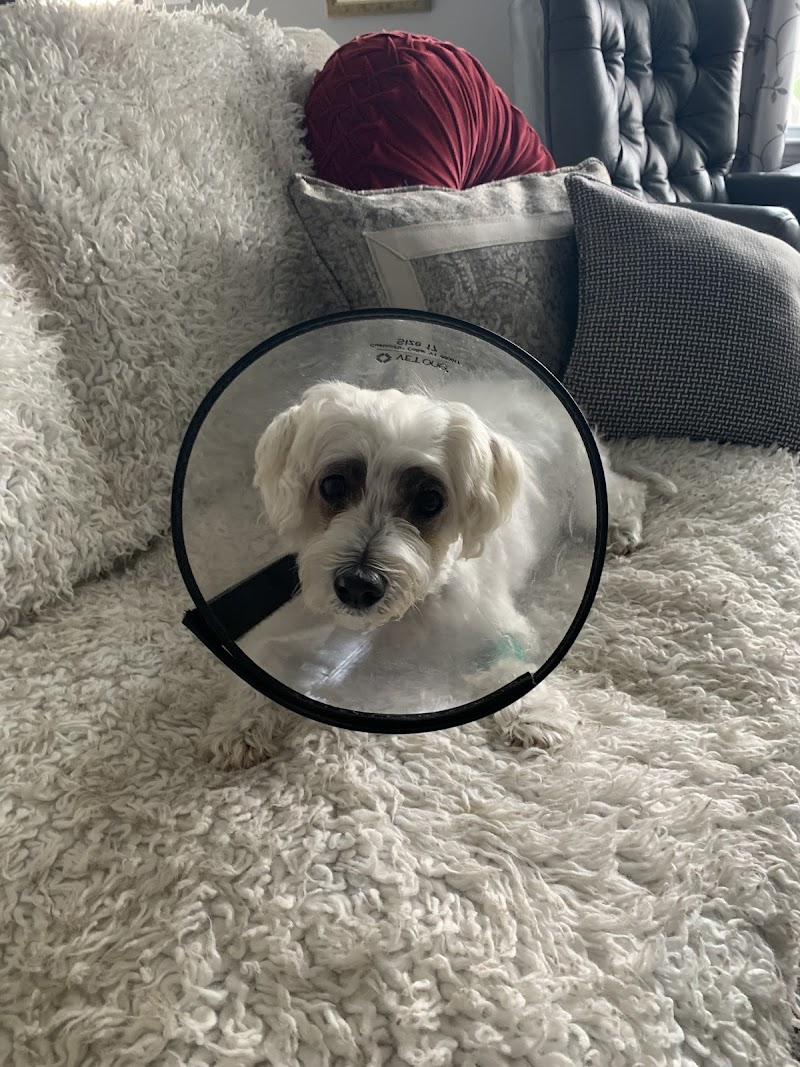
Photos via Google · Jim Neal, BluePearl Veterinary Cyberknife Cancer Center, marsha robbins, April Hartman, Diane Felton
Frequently asked questions
- What advanced radiation therapies are available at BluePearl Veterinary CyberKnife Cancer Center?
- The center provides advanced radiation therapies, including conventional radiation therapy, intensity-modulated radiation therapy (IMRT), and stereotactic radiosurgery (SRS), also known as stereotactic radiation therapy (SRT). Specifically, they offer CyberKnife robotic radiotherapy, which is an advanced form of SRT. They also utilize a linear accelerator in addition to their CyberKnife unit.
- How does the CyberKnife treatment differ from conventional radiation therapy for pets?
- CyberKnife radiation therapy is highly precise and accurate, allowing the delivery of an entire radiation dose in fewer treatments compared to conventional methods. This precision minimizes radiation exposure to surrounding healthy tissue, significantly shortening the overall treatment time. However, not all pets or tumor types are suitable candidates for CyberKnife therapy.
- What diagnostic imaging is used to plan radiation treatments?
- Prior to radiation treatments, imaging technologies such as computed tomography (CT) and magnetic resonance imaging (MRI) are used. These tools help visualize tumors and their surrounding anatomy, enabling radiation oncologists to design a unique, three-dimensional computerized treatment plan tailored for each pet. Advanced imaging ensures precise targeting of the tumor while avoiding healthy tissue.
- Is radiation treatment painful for pets, and what is the typical recovery time?
- Conventional radiation and CyberKnife treatments are designed to be pain-free and non-surgical options for pets with inoperable or complex tumors. The procedures are non-invasive, meaning no incision or cutting occurs, and no recovery time is needed. Pet owners often report that their pets appear more comfortable after treatments, potentially due to a reduction in tumor size.
- How long do pets typically stay at the hospital for radiation treatments?
- Most radiation treatments are performed on an outpatient basis. Pets usually need to stay at the hospital for approximately two to three hours. In some cases, the stay may extend up to eight hours, depending on the specific type of radiation therapy administered to the pet.
Contact & hours
Address
50 Three Tun Rd
Philadelphia
Phone