Bottom Line
A splenectomy is the surgical removal of a pet's spleen, often performed urgently or as an emergency procedure, typically due to masses, trauma, or a ruptured spleen causing internal bleeding. This surgery can be life-saving and is commonly recommended for dogs and cats facing serious health issues related to this vital organ.
What the procedure involves
A splenectomy involves surgically removing the entire spleen, an organ that plays a crucial role in your pet's immune system and blood filtration. The spleen is located in the abdomen, near the stomach. In healthy pets, it stores blood, filters out old red blood cells, and helps fight infections. However, when it develops serious problems, like tumors or severe trauma, it can become a life-threatening liability.
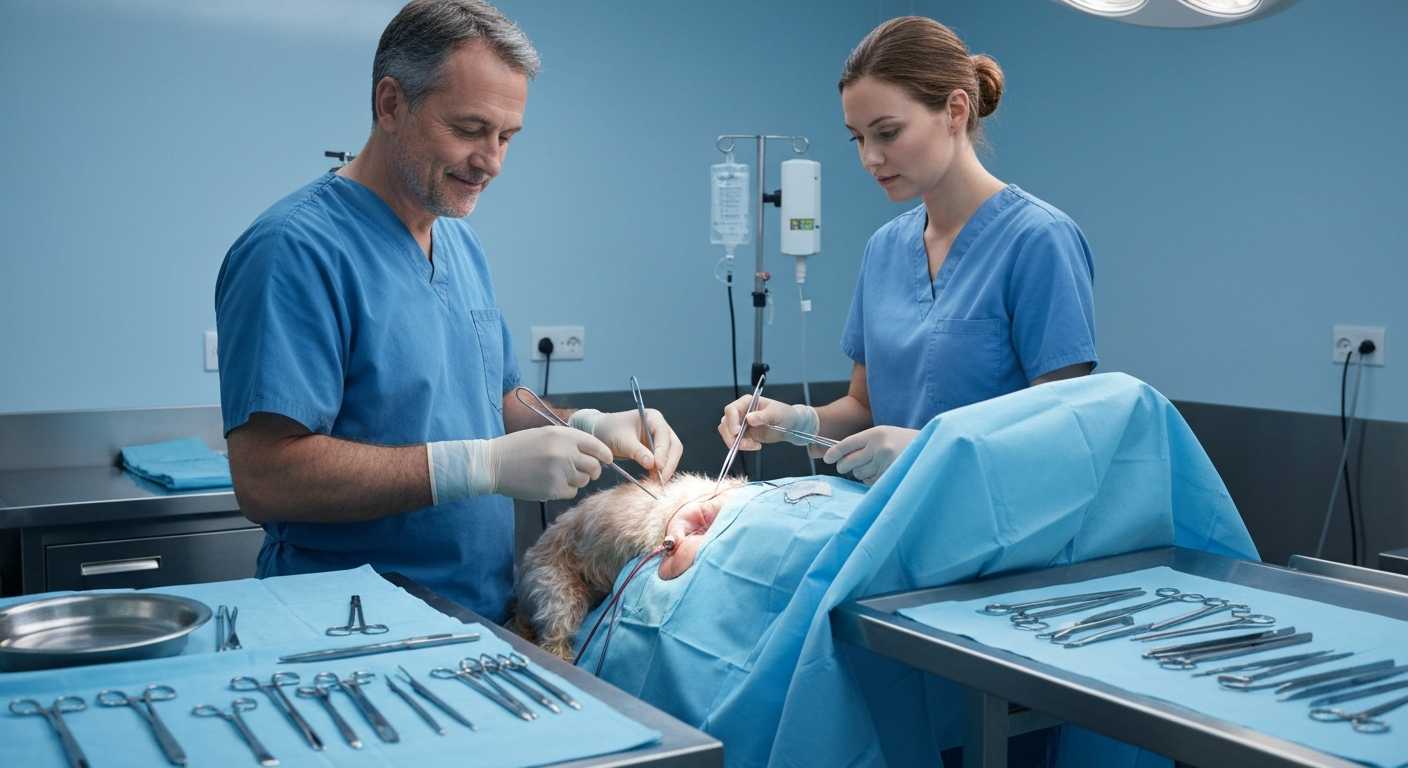
Before surgery, your veterinary specialist will stabilize your pet, which may involve intravenous fluids, pain medication, and sometimes even a blood transfusion, especially if there's significant internal bleeding. Once stabilized, your pet will be placed under general anesthesia. The surgeon will make an incision in the abdomen to access the spleen. The blood vessels supplying the spleen are carefully ligated (tied off) to prevent excessive bleeding, and the spleen is then detached and removed. The abdominal cavity is inspected for any other issues, and then the incision is meticulously closed in layers. The removed spleen is always sent to a veterinary pathologist for analysis to determine the exact nature of the problem, such as whether a mass was benign or malignant. This diagnostic step is critical for guiding any further treatment or prognosis discussions.
When this surgery is recommended
Splenectomy is most commonly recommended for pets diagnosed with splenic masses, a ruptured spleen due to trauma or disease, or certain immune-mediated blood disorders. Splenic masses are a frequent concern, particularly in older dogs. These masses can be benign, like hematomas (blood clots) or nodular hyperplasia, or they can be malignant, such as hemangiosarcoma, a highly aggressive cancer.
When a splenic mass ruptures, it can cause severe, life-threatening internal bleeding, leading to sudden weakness, collapse, and pale gums. In these emergency situations, immediate surgery is vital to stop the bleeding. Even if a mass hasn't ruptured, your specialist might recommend splenectomy if imaging tests (like ultrasound or X-rays) suggest a high risk of rupture or malignancy. While not all splenic masses are cancerous, the proportion is significant. According to the American College of Veterinary Surgeons (ACVS):
"Up to 2/3 of dogs with splenic masses have a malignant tumor (2/3 of these are hemangiosarcoma). Dogs with a ruptured splenic mass requiring a blood transfusion are more likely to be diagnosed with hemangiosarcoma. The remaining patients have benign masses that are effectively treated with splenectomy."
Other indications for splenectomy, though less common, include severe splenic torsion (where the spleen twists on its axis, cutting off its blood supply) or certain chronic conditions where the spleen is overactive in destroying blood cells.
What it costs in the United States
The cost of a splenectomy in the United States typically ranges from $2,500 to $6,000, reflecting the procedure's complexity and the urgent nature of many cases. This range is a national average and can vary significantly based on several factors. The most significant drivers of cost include the urgency of the procedure (emergency surgeries are generally more expensive), your geographical location, and the specific veterinary facility (a specialized surgical center with board-certified surgeons may have higher fees than a general practice vet).
This fee usually encompasses a comprehensive package, including initial diagnostic tests like blood work, X-rays, and ultrasound; the surgical procedure itself (surgeon's fees, anesthesia, surgical supplies); hospitalization for post-operative monitoring; and medications for pain management and infection prevention. Additional costs might arise if your pet requires a blood transfusion, extensive critical care before or after surgery, or if complications develop. Follow-up appointments and pathology fees for analyzing the removed spleen are also typically part of the overall expense. Discussing an itemized estimate with your veterinary team beforehand is always a good idea.
Risks and contraindications
While generally a safe and often life-saving procedure, splenectomy, like any major surgery, carries inherent risks, and certain conditions may contraindicate immediate surgery or alter the prognosis. Your veterinary specialist will carefully assess these factors to determine the best course of action for your pet. Potential risks include hemorrhage (ongoing bleeding) during or after surgery, cardiac arrhythmias (irregular heart rhythms), and pancreatitis (inflammation of the pancreas), which can manifest as vomiting.
"Complications that may be associated with surgery include hemorrhage (ongoing bleeding), cardiac arrhythmias (irregular heart rhythm), and pancreatitis (often manifested by vomiting). An ECG to look for arrhythmias is recommended after surgery. While this may require treatment, most arrhythmias resolve within 24–48 hours." — American College of Veterinary Surgeons (ACVS), "Splenic Masses"
Specific contraindications and significant considerations include:
- Active severe bleeding or shock: While often the reason for surgery, a pet in profound shock or actively bleeding out requires aggressive stabilization (IV fluids, sometimes a blood transfusion) before or during surgery. A pet actively bleeding from a ruptured splenic mass will proceed to emergency surgery, but stabilization is continuous.
- Widespread metastatic disease: If pre-operative staging (such as chest X-rays and abdominal ultrasound) reveals that cancer has spread extensively to other organs, the prognosis for long-term survival changes drastically. Surgery may still be performed to stop acute bleeding and improve comfort, but it is no longer considered curative.
- Uncontrolled cardiac arrhythmia: Cardiac arrhythmias are common in pets with splenic disease. These need to be carefully monitored and managed peri-operatively (before, during, and after surgery) to minimize risks during anesthesia and recovery.
Recovery
Recovery from a splenectomy typically involves a few weeks of restricted activity and close monitoring at home, with a gradual return to normal life. Your pet will likely spend a day or two in the hospital after surgery for pain management and monitoring for immediate complications, such as cardiac arrhythmias. Your veterinary team will provide detailed discharge instructions covering medication schedules, incision care, and activity restrictions.
How long will my pet be on restricted activity? For the first 10-14 days post-surgery, strict activity restriction is crucial. This means short, controlled leash walks only for bathroom breaks, avoiding stairs, jumping, running, and rough play. Your pet should not be allowed to lick or chew at the incision site; an Elizabethan collar (E-collar) or a recovery suit will likely be necessary. The ACVS advises:
"Your dog’s activity should be restricted to short leash walks only during the first two weeks of healing. Your dog may need to wear an E-collar or tee shirt to prevent self-trauma to the surgical site." — American College of Veterinary Surgeons (ACVS), "Splenic Masses"
What kind of follow-up care is needed? Around 10-14 days after surgery, you'll return for an incision check and staple/suture removal. Depending on the pathology results from the removed spleen, your veterinarian might recommend further treatments, such as chemotherapy if a malignant tumor like hemangiosarcoma was diagnosed. Even after the initial recovery period, a pet without a spleen may be slightly more susceptible to certain infections, so maintaining routine vaccinations and parasite control is important. Most pets adapt well and can live a normal, happy life without their spleen.
When to seek emergency care
Prompt recognition of post-surgical complications is critical for a successful outcome after splenectomy. While your pet will be closely monitored by veterinary staff immediately after surgery, you'll need to watch for certain signs once they are home. Contact your veterinary specialist or an emergency veterinary clinic immediately if you observe any of the following:
- Sudden weakness, collapse, or wobbliness (immediate): These are signs of potential internal bleeding or shock.
- Pale or white gums (immediate): This indicates significant blood loss or anemia.
- A swollen or distended belly, or labored breathing (immediate): Can signal internal bleeding, fluid accumulation, or respiratory distress.
- Episodes of weakness that come and go (urgent): This might suggest a bleeding mass that is temporarily clotting then re-bleeding.
- Excessive vomiting, lack of appetite, or lethargy persisting beyond the first 24-48 hours after discharge.
- Redness, swelling, discharge, or opening at the surgical incision site.
How to find a specialist
For a complex procedure like a splenectomy, especially when facing an emergency, finding a board-certified veterinary surgeon is highly recommended. These specialists have undergone extensive additional training and certification beyond veterinary school, demonstrating advanced expertise in surgical techniques and patient care.
Look for a surgeon certified by the American College of Veterinary Surgeons (ACVS). You can often find a directory of ACVS diplomates on their official website. When speaking with a potential specialist, don't hesitate to ask about their experience with splenectomies, particularly in emergency situations or with specific breeds prone to splenic issues. Inquire about their facility's capabilities for critical care, anesthesia monitoring, and post-operative support. A good specialist will clearly explain the procedure, potential risks, expected outcomes, and the estimated costs, ensuring you feel confident and informed about your pet's care.
Who isn't a candidate
- Concurrent condition: Active severe bleeding or shock is stabilised (IV fluids, sometimes a blood transfusion) before or during surgery; a dog actively bleeding out from a ruptured splenic mass goes to emergency surgery.
- Concurrent condition: Widespread metastatic disease found on staging (chest X-rays, ultrasound) changes the prognosis conversation — surgery may still stop the bleeding but is no longer curative.
- Concurrent condition: Uncontrolled cardiac arrhythmia (common with splenic disease) is monitored and managed peri-operatively.
Common questions
How much does splenectomy cost for a dog?
The cost for a dog's splenectomy in the United States typically ranges from $2,500 to $6,000. This price often includes diagnostics, surgical fees, anesthesia, hospitalization, and post-operative medications. The final cost can vary based on the urgency of the procedure, geographical location, and the specific veterinary facility.
Can a dog live a normal life without a spleen?
Yes, most dogs can live a normal, happy life without a spleen. Other organs, such as the liver and lymph nodes, can take over many of the spleen's functions. Your veterinarian might recommend extra vigilance regarding vaccinations and parasite control, as the spleen does play a role in the immune system.
Is a splenic mass always cancer?
No, a splenic mass is not always cancer, though a significant proportion are. Splenic masses can be benign conditions like hematomas (blood clots) or nodular hyperplasia, which are effectively cured with surgery. However, studies show that up to two-thirds of splenic masses in dogs are malignant, with hemangiosarcoma being a common and aggressive type.
Source ↗How long is recovery after a splenectomy?
Initial recovery after a splenectomy typically involves 10-14 days of strict activity restriction, including short leash walks only and wearing an E-collar to protect the incision. Full recovery, where your pet can gradually return to normal activities, may take several weeks. Your vet will advise on specific timelines and follow-up care.
What is hemangiosarcoma and how is it related to splenic masses?
Hemangiosarcoma is a highly aggressive and common malignant tumor of the spleen, frequently seen in older dogs. It originates from the blood vessel lining and can spread rapidly. When a splenic mass is found, especially if it has ruptured, there's a higher likelihood it could be hemangiosarcoma, underscoring the importance of surgical removal and pathology for diagnosis and prognosis.
Source ↗Sources
- · Splenic Masses View source ↗
Looking for a specific clinic? Browse our directory of specialist veterinary practices.