Bottom Line
Gastrointestinal (GI) foreign body surgery, including gastrotomy (stomach incision) or enterotomy (intestinal incision), is a critical procedure performed to remove non-digestible objects that have become lodged in a pet's digestive tract, preventing them from passing naturally and causing potentially life-threatening obstructions or damage.
What the procedure involves
GI foreign body surgery is a delicate abdominal procedure aimed at safely removing ingested items that are causing blockages or harm within your pet's digestive system. When a dog or cat swallows something it shouldn't – a sock, a toy, a corn cob, or even a piece of string – these items can get stuck. While some small, smooth objects might pass on their own, many become lodged, leading to a range of serious health issues. The specific surgical approach depends on where the object is located and how much damage it has caused.
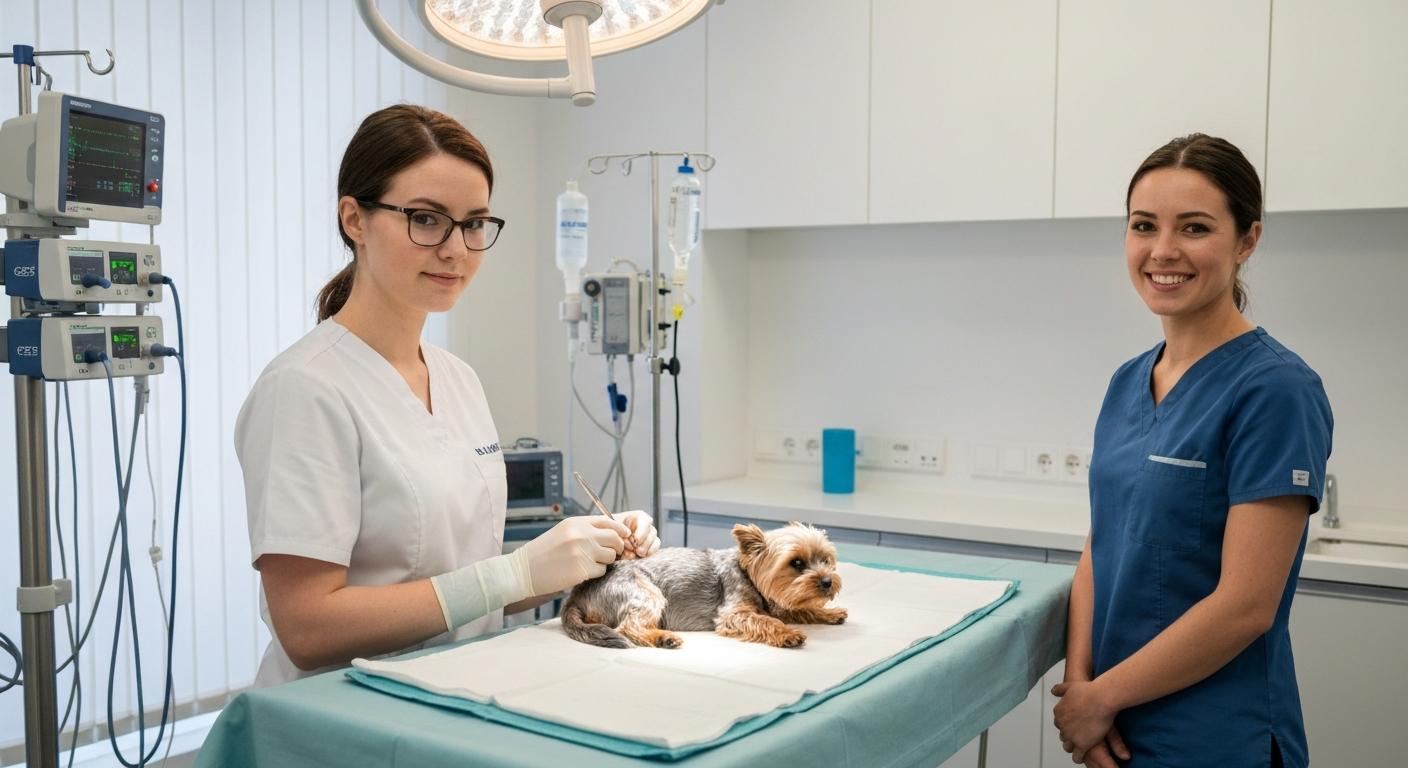
The procedure typically begins with thorough diagnostic imaging, such as X-rays and ultrasound, to pinpoint the foreign body's location. Once anesthesia is administered, your veterinary surgeon will make an incision in the abdomen to explore the gastrointestinal tract. If the object is in the stomach, a procedure called a gastrotomy is performed, where a small incision is made in the stomach wall, the item is carefully removed, and the stomach is meticulously closed. If the object has moved into the intestines, an enterotomy is necessary, involving an incision into the intestinal wall for removal. In cases where the foreign body has caused significant damage, such as tissue death or perforation, the surgeon may need to remove the damaged section of intestine and reattach the healthy ends in a procedure called an intestinal resection and anastomosis. This is a more complex surgery, but vital for your pet's survival. Throughout the surgery, the veterinary team works to minimize contamination and ensure all tissues are healthy before closure.
When this surgery is recommended
Surgery for a gastrointestinal foreign body is recommended when an ingested item poses a significant threat to your pet's health, typically due to obstruction, ongoing clinical signs, or the risk of perforation. While some small, smooth objects might be monitored to see if they pass naturally, or even retrieved non-surgically via endoscopy if in the stomach or esophagus, many situations demand immediate surgical intervention. Your veterinarian will carefully evaluate your pet's condition using a combination of physical examination, blood tests, and imaging techniques like X-rays (radiographs) or ultrasound.
Several factors lead to the recommendation for surgery. A key indicator is a complete or partial obstruction confirmed by imaging, especially if the object isn't moving over time. Linear foreign bodies, such as string or thread, are particularly dangerous because they can cause the intestine to pleat or bunch up, leading to severe damage and potential perforation. As the American College of Veterinary Surgeons (ACVS) explains:
"If conservative management and endoscopy fail to provide relief, if the foreign body is not moving on x-rays, if the obstruction is getting worse, or if there is evidence of a linear foreign body, surgical exploration is warranted."
Persistent vomiting, lethargy, abdominal pain, and an inability to keep food or water down are common clinical signs signaling a problem that often requires surgery. Alternatives like medical management (fluids, monitoring) or endoscopic removal are considered first, but if these are unsuccessful or deemed inappropriate due to the object's size, location, or the severity of the obstruction, surgery becomes the safest and most effective course of action to save your pet's life.
What it costs in the United States
The cost of GI foreign body surgery for dogs and cats in the United States typically ranges from USD 2,000 to USD 5,000, reflecting the emergency nature, complexity, and extensive care involved. This is a national average, and prices can fluctuate significantly based on several key factors. Where you live plays a big role, with urban and specialty veterinary hospitals often having higher costs than those in rural areas. The specific type of foreign body and the extent of the damage it has caused will also influence the final bill; a simple gastrotomy is generally less expensive than a complex intestinal resection and anastomosis.
Before the surgery, your pet will undergo diagnostics such as X-rays, ultrasound, and blood work to assess their condition and pinpoint the foreign body. These initial tests contribute to the overall cost. During surgery, the fees include anesthesia, the surgeon's time, sterile supplies, and any medications administered. Post-operative care is a substantial component, often involving several days of hospitalization for intravenous fluids, pain management, antibiotics, and continuous monitoring by the veterinary team. Should complications arise, such as infection or further intestinal issues, additional treatments and extended hospitalization will increase the total cost. Emergency clinics, which often handle these urgent cases, may also have higher fees compared to a general practice during regular hours.
Risks and contraindications
While often life-saving, GI foreign body surgery carries inherent risks, and certain conditions may temporarily or permanently contraindicate immediate surgical intervention. Your veterinary team will thoroughly assess your pet to determine the safest and most effective treatment plan.
Key contraindications that might delay or alter the surgical approach include:
- An object still moving through the gut on imaging: If serial X-rays show the foreign body is progressing through the digestive tract, medical management with close monitoring might be chosen over immediate surgery, as the object may pass on its own.
- Untreated dehydration or electrolyte derangement: Vomiting patients are often severely dehydrated or have electrolyte imbalances. These issues must be corrected with intravenous fluids and supportive care to stabilize your pet before anesthesia and surgery, making the procedure much safer.
- A linear foreign body (string, thread) anchored under the tongue or at the pylorus: These require a specific surgical approach. It is crucial never to pull a visible string, as this can cause severe damage or perforation to the intestinal tract.
Even with careful planning, risks associated with the surgery include complications from anesthesia, infection (peritonitis or sepsis if intestinal contents leak into the abdomen), hemorrhage, and the possibility of the surgical incision along the gut failing to heal (dehiscence). The American College of Veterinary Surgeons highlights the severity of peritonitis:
"Gastrointestinal foreign bodies, especially strings, can sometimes cause holes in the tissue (or perforation). This causes spillage of intestinal contents into the abdomen. This condition quickly leads to life-threatening inflammation of the abdominal lining (peritonitis) and allows bacterial proliferation and contamination (sepsis)."
Other potential issues include stricture (narrowing of the bowel), short bowel syndrome if a large section of intestine is removed, and reduced gut motility in the immediate post-operative period. Your veterinary surgeon will discuss these risks with you in detail.
Recovery
Recovery from GI foreign body surgery is a crucial period requiring diligent care, pain management, and strict adherence to your veterinarian's instructions to ensure optimal healing and prevent complications. The initial days post-surgery are critical for monitoring and stabilization.
How long is my pet hospitalized after surgery?
Most pets will remain hospitalized for at least 1-3 days after GI foreign body surgery. During this time, they will receive intravenous fluids to maintain hydration and electrolyte balance, strong pain medications, and often antibiotics to prevent infection. The veterinary team will closely monitor their vital signs, incision site, and watch for any signs of complications like vomiting or lethargy. Food is typically offered gradually once your pet shows signs of recovery and is no longer vomiting. As noted by the ACVS, "Early return to oral nutrition is important to help the gut heal after surgery."
What restrictions will my pet have during recovery?
Upon discharge, your pet will need strict activity restriction for at least two weeks. This means no running, jumping, or strenuous play. Leash walks for bathroom breaks are typically permitted, but they should be short and controlled. An Elizabethan collar (e-collar or 'cone') is essential to prevent your pet from licking or chewing at the incision site, which could lead to infection or dehiscence (the incision opening up). You will also need to monitor the incision daily for redness, swelling, discharge, or any signs of pain. Medications, including pain relievers and antibiotics, must be given exactly as prescribed.
When can my pet eat normally again and what is the full recovery timeline?
Dietary restrictions are common after GI surgery. Initially, your veterinarian may recommend a bland, easily digestible diet in small, frequent meals. Over several weeks, if tolerated, you'll gradually transition back to your pet's normal food. The sutures or staples are usually removed around 10-14 days after surgery. Full recovery, including a gradual return to normal activity levels, typically takes about 4-6 weeks, but this can vary depending on the individual pet and the complexity of the surgery. Follow-up appointments will be scheduled to assess healing and ensure your pet is recovering well.
When to seek emergency care
After GI foreign body surgery, it's vital to be vigilant for signs of complications, as prompt veterinary attention can be life-saving. While your pet will be monitored closely in the hospital, problems can arise after they return home. If you observe any of the following emergency signals, contact your veterinary specialist or nearest emergency clinic immediately:
- Repeated vomiting (within hours): While some mild nausea might occur, persistent or severe vomiting, especially after eating or drinking, could indicate a problem with the healing incision or persistent gut motility issues.
- Sudden loss of appetite or refusal to eat for more than 12-24 hours: A lack of interest in food can signal pain, nausea, or a serious underlying issue.
- Severe lethargy or weakness (immediate): While some tiredness is expected, profound weakness, difficulty standing, or unresponsiveness are serious red flags.
- Significant abdominal pain, bloating, or guarding of the belly (immediate): This could indicate internal bleeding, peritonitis, or a new obstruction.
- Diarrhea (especially bloody) or constipation/straining to pass stool (immediate): Changes in bowel movements, particularly bloody diarrhea or an inability to defecate, warrant immediate concern.
- Redness, swelling, discharge, or opening of the incision site (within days): These are signs of infection or dehiscence, which requires immediate medical attention.
- Fever (temperature above 102.5°F) or pale gums (immediate): These are general signs of severe illness or shock.
Do not wait if you notice these signs; an immediate trip to the emergency veterinarian is crucial for your pet's well-being.
How to find a specialist
When facing a complex procedure like GI foreign body surgery, finding a board-certified veterinary surgeon is paramount to ensuring the best possible outcome for your beloved pet. These specialists have undergone extensive additional training and rigorous examination beyond their general veterinary degree, demonstrating advanced expertise in surgical techniques, anesthesia, and post-operative care.
To find a qualified specialist, start by asking your primary care veterinarian for a referral. You can also search directories provided by organizations like the American College of Veterinary Surgeons (ACVS) (acvs.org), which lists board-certified veterinary surgeons in your area. When evaluating a specialist, don't hesitate to ask important questions:
- How many of these procedures do you perform annually?
- What are the potential complications, and how are they managed?
- What is your success rate for this type of surgery?
- What kind of post-operative care and follow-up will be required?
- Can you provide a detailed estimate of all costs involved?
Choosing a board-certified veterinary surgeon means your pet will benefit from a higher level of surgical skill, advanced equipment, and comprehensive critical care support, all of which are essential for navigating the complexities and potential risks of GI foreign body surgery.
Who isn't a candidate
- Concurrent condition: An object still moving through the gut on imaging may be managed medically with monitoring rather than immediate surgery — the surgeon decides based on serial X-rays.
- Concurrent condition: Untreated dehydration or electrolyte derangement is corrected first; vomiting patients are stabilised before anesthesia.
- Concurrent condition: A linear foreign body (string, thread) anchored under the tongue or at the pylorus needs a specific surgical approach — never pull a visible string.
Common questions
How much does foreign body surgery cost for a dog or cat?
In the United States, the cost for GI foreign body surgery typically ranges from USD 2,000 to USD 5,000. This estimate includes diagnostic tests, the surgical procedure itself, anesthesia, and crucial post-operative care and hospitalization. The final price can vary depending on your location, the complexity of the case, and whether complications arise.
Will my pet pass the object on its own or does it need surgery?
Whether an object passes on its own depends on its size, shape, and location within the GI tract. Small, smooth items might pass, and your veterinarian may recommend monitoring with fluids. However, if the object is causing an obstruction, not moving on X-rays, or is a dangerous linear foreign body, surgery is often necessary to prevent severe damage or perforation. Your vet will make this decision based on diagnostics and your pet's symptoms.
What is the recovery time after foreign body surgery?
Most pets require 1-3 days of hospitalization post-surgery for pain management, fluids, and monitoring. Once home, strict activity restriction and wearing an e-collar are essential for 2-4 weeks. A full return to normal activity and diet usually takes 4-6 weeks, with regular follow-up appointments to ensure proper healing.
What is a linear foreign body and why is it dangerous?
A linear foreign body is a string-like object, such as thread, yarn, or tinsel, that a pet has swallowed. It's dangerous because one end often anchors in the mouth or stomach, while the other continues through the intestines. This can cause the intestine to bunch up or 'accordion' along the string, leading to sawing motions that cut through the intestinal wall, causing life-threatening perforations and peritonitis.
Source ↗How long can a dog live with an intestinal blockage?
An intestinal blockage is a medical emergency, and a dog's survival time is highly dependent on the severity and type of obstruction. Without intervention, a complete blockage can lead to rapid dehydration, tissue death (necrosis), intestinal perforation, and sepsis within hours to days. Prompt diagnosis and surgical removal are critical, as delays significantly decrease the chances of survival.
Sources
- · Gastrointestinal Foreign Bodies View source ↗
Looking for a specific clinic? Browse our directory of specialist veterinary practices.