Bottom Line
Brachycephalic Obstructive Airway Syndrome (BOAS) surgery is a common procedure for flat-faced dog and cat breeds that significantly improves their ability to breathe by correcting anatomical obstructions in their upper airway.
What the procedure involves
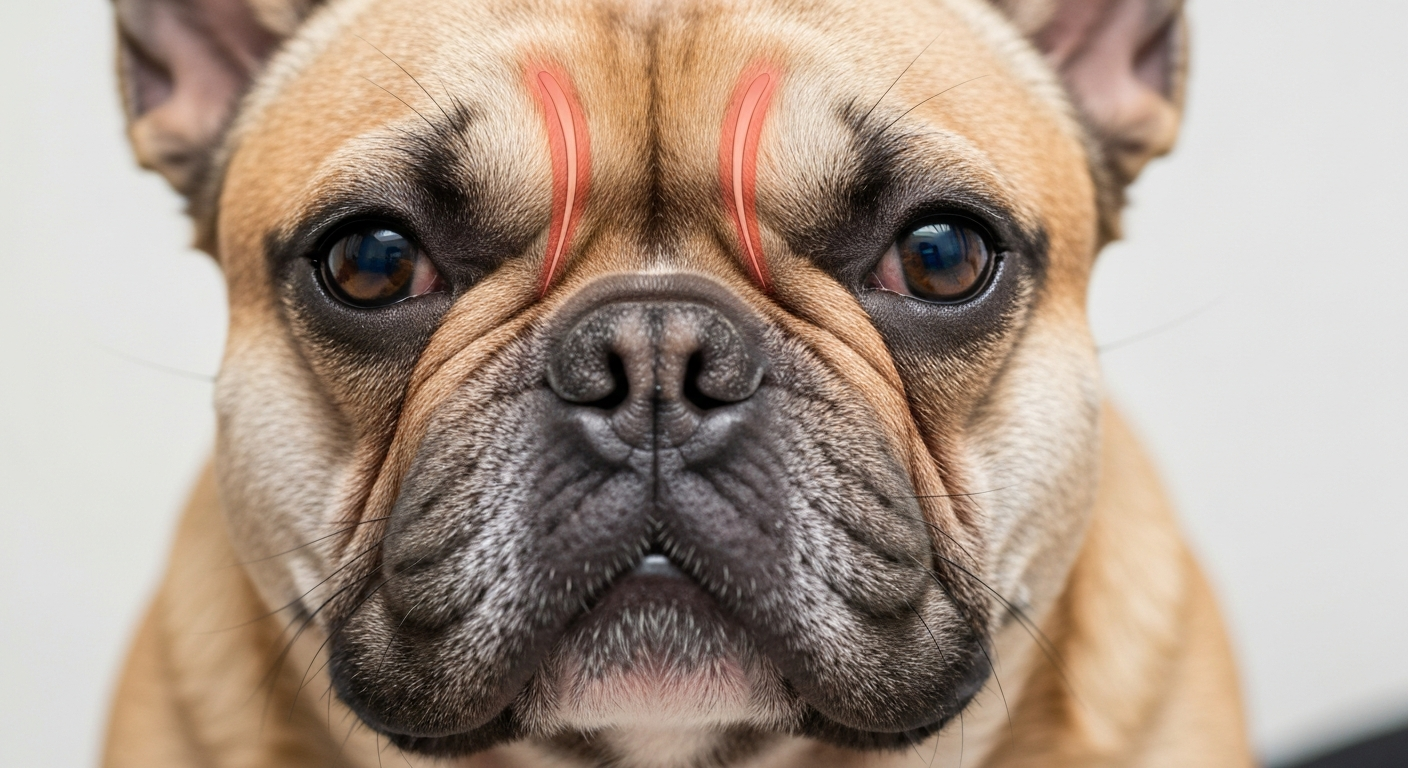
BOAS surgery addresses the structural abnormalities commonly found in brachycephalic, or “short-headed,” breeds that impede normal breathing. These breeds, like French Bulldogs, Pugs, English Bulldogs, Boston Terriers, and Persian cats, have been selectively bred for their distinctive flat faces, which unfortunately often means their internal airway structures are disproportionately large for their skull size. The primary issues include stenotic nares (pinched nostrils), an elongated soft palate, and everted laryngeal saccules.
Stenotic nares are nostrils that are too narrow or collapse inward during inhalation, making it difficult for your pet to draw air through their nose. An elongated soft palate means the soft tissue at the back of the roof of the mouth extends too far into the throat, sometimes protruding into the airway and obstructing airflow to the lungs. Everted laryngeal saccules are small pockets of tissue located just in front of the vocal cords that get pulled into the airway due to increased effort in breathing, further blocking the passage. In some severe or chronic cases, dogs may also develop laryngeal collapse, where the larynx's cartilages become weak and narrow.
The surgical procedure typically involves several components performed during the same anesthesia. Stenotic nares correction (alar wing resection) involves carefully removing a small wedge of tissue from the nostrils to widen the opening, making it easier for air to pass through. For an elongated soft palate, a staphylectomy is performed, where the excess length of the soft palate is precisely trimmed, preventing it from obstructing the larynx. If everted laryngeal saccules are present and contributing to the obstruction, they may also be surgically removed. "Soft palate resection (staphylectomy) is performed using a scalpel blade, scissors, or CO2 laser." These procedures work together to open up the upper airway, allowing for much easier and quieter breathing. The goal is to provide immediate relief and prevent the progression of secondary airway problems.
When this surgery is recommended
BOAS surgery is recommended when a brachycephalic pet exhibits clinical signs of airway obstruction that significantly impact their quality of life or pose a risk to their health. These signs often include noisy breathing (especially on inhalation), snorting, snoring, gagging, coughing, or exercise intolerance. You might notice your pet struggling to catch their breath after minimal activity, or even collapsing, particularly in warm weather or during excitement. Some dogs with severe discomfort may even prefer to sleep on their backs, as this position can help shift the soft palate away from the airway.
Decision factors for surgery are based on the severity and frequency of these symptoms. If your pet's breathing difficulties are causing distress, becoming more frequent, or leading to life-threatening episodes such as cyanosis (blue gums) or collapse, surgical intervention becomes a crucial consideration. "Soft palate abnormalities should be treated if they cause distress to your pet, become more severe with time, or cause life-threatening obstruction." Early intervention, often in younger animals, is generally advised because it can prevent the progression of secondary changes to the airway, such as laryngeal collapse, which can make the prognosis less favorable. While weight management and avoiding strenuous activity or heat can help manage symptoms, they do not resolve the underlying anatomical issues that surgery corrects.
At what age should a bulldog have airway surgery?
Many veterinary specialists recommend BOAS surgery for brachycephalic puppies as soon as significant clinical signs appear, often between 4 to 12 months of age. Performing the surgery when they are young can prevent secondary, more severe airway problems from developing over time due to chronic increased breathing effort. "The prognosis is good for young animals."
What it costs in the United States
The cost of BOAS surgery in the United States typically ranges from USD 2,000 to USD 5,500, reflecting the complexity of the procedure and various influencing factors. This range can vary significantly depending on your geographic location, the veterinary specialist's fees, and the specific needs of your pet. It's important to remember that this estimate usually covers the primary surgical procedures but may not include all related expenses.
The final cost is influenced by several factors. Pre-operative diagnostics, such as chest X-rays to assess the lower airways and lungs, blood work, and comprehensive anesthesia evaluations, contribute to the overall expense. The duration and complexity of the anesthesia are also significant factors, as brachycephalic breeds require careful monitoring due to their compromised airways. The surgeon's fees are based on their experience and the extent of the procedures performed (e.g., whether only soft palate resection and nares correction are needed, or if laryngeal saccules also require removal).
Post-operative care is another major component of the cost. Pets often require at least 24 hours of intensive hospitalization for close monitoring of their breathing and recovery, which can include intravenous fluids, pain management medications, and sometimes oxygen therapy. Follow-up appointments and any necessary rehabilitation or long-term medications will also add to the total. Asking for a detailed estimate from your veterinary surgeon is always a good idea to understand all potential costs involved.
Risks and contraindications
While BOAS surgery significantly improves breathing for many brachycephalic pets, it does come with potential risks and specific situations where it might not be immediately recommended. The most critical immediate post-operative risk is airway swelling or bleeding, which can further obstruct the airway. "Pets must be monitored very closely immediately after surgery. Significant inflammation or bleeding can obstruct the airway, making breathing difficult or impossible." In rare cases, a temporary tracheostomy (a tube placed directly into the windpipe) might be necessary until the swelling subsides. Other risks include anesthetic complications, infection, or dehiscence (surgical site breakdown). Long-term risks are generally low, but some pets may still exhibit mild breathing noises or require ongoing management of their brachycephalic traits.
There are also specific contraindications or situations where surgery might be delayed or altered:
- Acute breathing crisis: A dog in an acute breathing crisis must be stabilized with oxygen, cooling, and sedation before any planned airway surgery can safely proceed. Operating on an unstable patient carries extremely high risks.
- Severe end-stage airway collapse: In cases of advanced laryngeal collapse (Grade III), the structural damage to the larynx is so severe that surgery on the soft palate and nares alone may not provide sufficient relief. In such chronic cases, the laryngeal cartilages may have become inflexible, limiting the potential benefit of standard BOAS procedures. A more involved and complicated procedure, such as a permanent tracheostomy, might be considered, though it comes with its own significant complications.
- Significant obesity: Obesity dramatically worsens brachycephalic airway issues by adding pressure to the airway and increasing inflammation. While not an absolute contraindication, veterinary specialists will often recommend weight loss prior to surgery where possible, as it can significantly improve airflow and surgical outcomes, as well as reduce anesthetic risks.
Recovery
Recovery from BOAS surgery requires careful monitoring and adherence to post-operative instructions to ensure a smooth healing process and optimal outcome. Your pet will need a quiet, calm environment at home, free from excitement, heat, and humidity, for several weeks following the procedure. Close observation for any signs of breathing difficulty, gagging, or excessive coughing is crucial.
What is the recovery after soft palate and nares surgery?
Immediately after surgery, your pet will likely remain hospitalized for at least 24 hours for intensive monitoring. During this time, veterinary staff will watch for swelling, bleeding, or any signs of airway obstruction. Once home, the first week is critical. Your pet will be on pain medication and possibly anti-inflammatory drugs. A soft food diet is essential to avoid irritating the surgical site in the throat. You'll need to prevent them from barking, excessive panting, or any activity that puts strain on their airway.
What restrictions are needed during recovery?
For the first 2-4 weeks, strict activity restriction is vital. This means no strenuous exercise, rough play, or long walks. Short, controlled leash walks for potty breaks are usually allowed. Avoid hot and humid environments, as these can exacerbate breathing difficulties even after surgery. Using a harness instead of a collar is also recommended to prevent any pressure on the neck and airway. Gagging and coughing can be common immediately after surgery as the tissues heal, but they should gradually decrease.
By weeks 3-4, your veterinarian will likely recommend a gradual return to normal activity, provided there are no complications. However, even after full recovery, brachycephalic dogs and cats will always have an increased risk of heat stroke and breathing problems compared to other breeds, so lifelong management, including maintaining a healthy weight and avoiding over-exertion in warm weather, is important for their continued well-being.
When to seek emergency care
While BOAS surgery significantly improves your pet's breathing, it's vital to recognize potential post-operative complications or severe symptoms that require immediate veterinary attention. Knowing these emergency signals and acting quickly can be life-saving. If you observe any of the following signs, contact your veterinary specialist or nearest emergency veterinary hospital without delay:
- Immediate: Blue or grey gums (cyanosis), or collapse. These are critical signs of severe oxygen deprivation and require urgent intervention.
- Immediate: Severe, noisy struggling to breathe, especially if it's new or worse than before surgery, and particularly after excitement or exposure to heat. This indicates significant airway obstruction.
- Immediate: Overheating with labored breathing that doesn't settle with rest and cooling measures. Brachycephalic pets are highly susceptible to heatstroke, and post-surgical swelling can make them even more vulnerable. This can rapidly become life-threatening.
Any sudden, drastic change in breathing pattern, excessive drooling, persistent gagging, or extreme lethargy should also prompt an immediate call to your veterinarian. Early recognition and treatment of these emergencies are crucial for your pet's health and safety.
How to find a specialist
When considering BOAS surgery for your beloved pet, choosing a board-certified veterinary surgeon is paramount to ensuring the highest standard of care and expertise. These specialists have undergone extensive additional training, residency programs, and rigorous examinations beyond their veterinary degree, making them uniquely qualified to perform complex airway surgeries.
To find a qualified specialist, you can ask your primary care veterinarian for a referral. Many veterinary schools and large specialty hospitals have departments of surgery with board-certified surgeons. The American College of Veterinary Surgeons (ACVS) website also provides a valuable 'Find a Veterinary Surgeon' tool, allowing you to search for specialists in your area. Look for a surgeon with significant experience performing BOAS procedures on brachycephalic breeds, as their nuanced understanding of these unique anatomies is critical.
When you consult with a specialist, don't hesitate to ask detailed questions. Inquire about their experience with BOAS surgery, their success rates, and potential complications. Ask about the specific pre-operative diagnostics they recommend, the surgical techniques they employ, and the post-operative care plan, including expected recovery time and any potential lifelong considerations for your pet. A good specialist will provide clear, thorough answers and make you feel comfortable and confident in your decision.
Who isn't a candidate
- Concurrent condition: A dog in an acute breathing crisis is stabilised (oxygen, cooling, sedation) before any planned airway surgery.
- Concurrent condition: Severe end-stage airway collapse (laryngeal collapse grade III) limits how much surgery can help and changes the plan.
- Concurrent condition: Significant obesity is addressed where possible — weight loss meaningfully improves airflow and surgical outcome.
Common questions
How much does BOAS surgery cost for a dog?
The cost for BOAS surgery in the United States typically ranges from USD 2,000 to USD 5,500. This estimate can vary based on location, the specific procedures needed, pre-operative diagnostics, and post-operative care, including hospitalization and medications.
What is brachycephalic obstructive airway syndrome?
Brachycephalic Obstructive Airway Syndrome (BOAS) is a condition affecting 'short-headed' breeds, characterized by a combination of anatomical abnormalities that obstruct the upper airway. These commonly include stenotic nares (pinched nostrils), an elongated soft palate, and everted laryngeal saccules, making breathing difficult. It is commonly seen in breeds like Bulldogs, Pugs, and Persian cats.
Source ↗At what age should a bulldog have airway surgery?
Many specialists recommend BOAS surgery for brachycephalic puppies as soon as clinical signs appear, often between 4 to 12 months of age. Early intervention can prevent secondary airway problems from developing and generally leads to a better prognosis, as the condition is less likely to have progressed to severe laryngeal collapse.
Source ↗What is the recovery after soft palate and nares surgery?
Recovery involves close monitoring, especially for the first 24 hours in the hospital. At home, your pet will need strict activity restriction for several weeks, a soft food diet, and pain medication. You must also avoid excitement, heat, and humidity. Gagging and coughing are common initially but should subside as healing progresses.
Does BOAS surgery cure the breathing problem?
BOAS surgery significantly improves breathing and quality of life for most brachycephalic pets by correcting the primary anatomical obstructions. While it doesn't entirely 'cure' the fact that your pet is a brachycephalic breed, it effectively manages the syndrome. In severe, chronic cases with advanced laryngeal collapse, the surgery's impact may be limited, but for most, it offers substantial relief.
Source ↗Sources
- · American College of Veterinary Surgeons View source ↗
Looking for a specific clinic? Browse our directory of specialist veterinary practices.