Bottom Line
Tibial Plateau Leveling Osteotomy, or TPLO, is a highly effective surgical procedure for repairing a ruptured cranial cruciate ligament (CCL) in dogs, addressing knee instability by changing the biomechanics of the joint. By altering the angle of the shin bone, TPLO prevents the femur from sliding backward during weight-bearing, allowing your dog to regain comfortable, stable use of their leg and improve their quality of life.
What the procedure involves
TPLO surgery is a sophisticated orthopedic procedure designed to stabilize your dog's knee (stifle) joint after a tear or rupture of the cranial cruciate ligament (CCL). This ligament, similar to the ACL in humans, is a critical stabilizer within the knee, preventing the shin bone (tibia) from sliding forward excessively relative to the thigh bone (femur). Unlike in humans, where the ligament is often replaced, canine CCL disease is typically degenerative and replacement hasn't proven as successful. Instead, TPLO focuses on altering the knee's biomechanics.
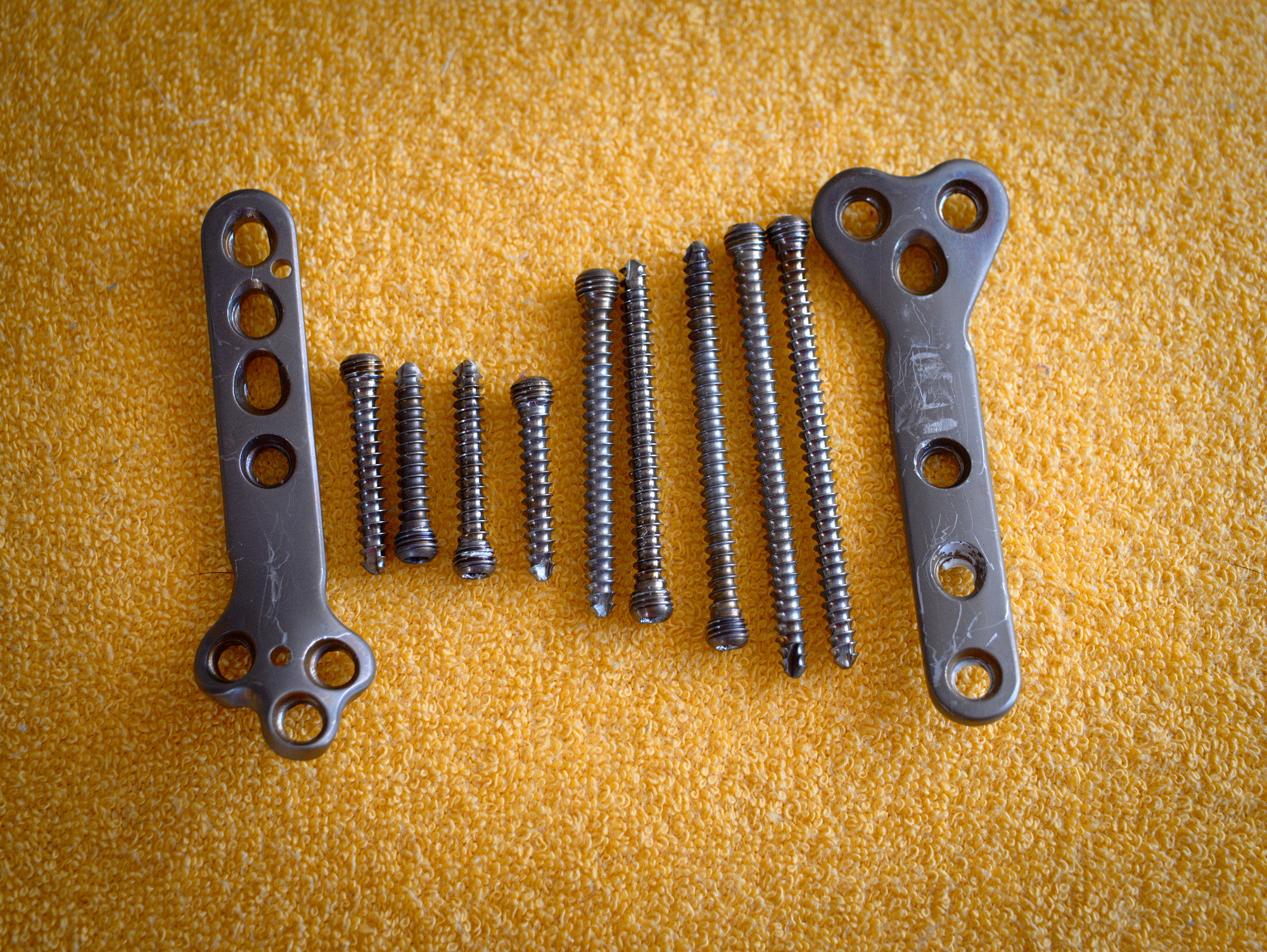
During the procedure, your veterinary orthopedic surgeon makes a curved cut (an osteotomy) into the top part of your dog's tibia, known as the tibial plateau. This part of the bone is then rotated and repositioned, changing the angle of the joint surface. The goal is to create a more level tibial plateau, typically around 5 degrees, so that when your dog bears weight, the natural forces exerted on the joint no longer cause the tibia to thrust forward. Essentially, the surgery eliminates the need for the damaged CCL to stabilize the joint by neutralizing the shearing forces. The repositioned bone segments are then secured in place with a specialized bone plate and screws, allowing the bone to heal in its new, stable configuration. Often, the meniscus, a cartilage-like structure that acts as a shock absorber within the joint, is also inspected and any damaged portions are removed.
"Osteotomy-based techniques require a bone cut (osteotomy), which changes the forces on the knee joint and prevents instability when walking." — ACVS, Cranial Cruciate Ligament Disease (https://www.acvs.org/small-animal/cranial-cruciate-ligament-disease/)
This re-alignment allows for a more stable joint even without a functional CCL. The procedure is complex and requires specialized training and equipment, which is why it's performed by a board-certified veterinary orthopedic surgeon.
When this surgery is recommended
TPLO surgery is primarily recommended for dogs diagnosed with a ruptured or significantly damaged cranial cruciate ligament (CCL), especially larger or more active breeds, to restore stability and alleviate pain. Unlike a sudden athletic injury in humans, CCL disease in dogs is often a progressive, degenerative condition that weakens the ligament over time, eventually leading to a partial or complete tear. This can result from a combination of factors including genetics, conformation, obesity, and activity levels. Certain breeds, such as Rottweilers, Labrador Retrievers, Newfoundlands, and Mastiffs, are known to have a higher incidence of CCL disease.
Your veterinarian or a specialist may recommend TPLO if your dog exhibits signs like hind limb lameness, difficulty rising, a "positive sit test" (sitting with the affected leg extended out to the side), or reduced activity. Diagnosis is often confirmed through a physical examination that reveals abnormal knee movement (such as "cranial drawer sign" or "tibial thrust") and sometimes X-rays to assess joint changes.
Decision factors for TPLO often include your dog's size, age, activity level, and the severity of the ligament damage. For large, active dogs, TPLO is frequently considered the gold standard due to its proven long-term efficacy in restoring limb function.
"Surgical treatment is typically the best treatment for cruciate injury since it is the only way to permanently control the instability present in the knee joint." — ACVS, Cranial Cruciate Ligament Disease (https://www.acvs.org/small-animal/cranial-cruciate-ligament-disease/)
While non-surgical (conservative) management with rest, medication, and physical therapy can be attempted for very small dogs or those with minor partial tears, it often leads to less satisfactory long-term outcomes for larger, active dogs and may not prevent the progression of arthritis. Other surgical techniques, such as Tibial Tuberosity Advancement (TTA) or lateral suture stabilization, are also available, but TPLO is often favored for its rapid return to weight-bearing and excellent functional outcomes.
What it costs in the United States
The cost of TPLO surgery in the United States typically ranges from USD 3,500 to USD 7,000 per knee, reflecting the complexity of the procedure and various contributing factors. This is a national average, and prices can fluctuate significantly based on geographic location, the specific veterinary specialty hospital or clinic, and the individual surgeon's fees.
Several components contribute to this overall cost. Pre-surgical expenses often include a comprehensive orthopedic examination, diagnostic imaging like X-rays, blood work to assess overall health and anesthetic risk, and potentially a consultation with a board-certified orthopedic surgeon. The surgical fee itself encompasses the surgeon's expertise, the use of specialized equipment and implants (the bone plate and screws), and anesthesia administration and monitoring. Post-operative care is also a significant factor, including hospitalization, pain management medications, bandage changes, follow-up X-rays to monitor healing, and often, a comprehensive rehabilitation program. The need for concurrent procedures, such as addressing a torn meniscus, can also add to the total cost. Furthermore, if complications arise, additional treatments and extended care will naturally increase the final bill. Pet insurance can be a valuable tool to help manage these significant expenses, covering a portion of the costs associated with TPLO surgery and rehabilitation.
Risks and contraindications
While TPLO surgery is generally very successful, like any major surgical procedure, it carries potential risks and is not suitable for all dogs. Your veterinary surgeon will carefully evaluate your dog's overall health and specific condition to determine if TPLO is the best and safest option.
Potential risks associated with TPLO include: Infection: Despite strict sterile techniques, infection can occur at the surgical site, potentially requiring antibiotics or, in severe cases, removal of implants. Implant failure: Although rare, the bone plate or screws can loosen, break, or cause irritation, necessitating further surgery to remove or replace them. Meniscal injury: Even if the meniscus was initially healthy or treated during the first surgery, new tears can occur post-operatively, sometimes requiring a second "meniscal peek" surgery. Anesthetic complications: As with any anesthesia, there's a small risk of adverse reactions or complications, which are minimized through thorough pre-anesthetic screening and monitoring. Progression of osteoarthritis: While TPLO stabilizes the joint and slows the progression, osteoarthritis (OA) is an inevitable long-term consequence of CCL disease itself, regardless of treatment. Nerve damage: Though uncommon, damage to nerves in the leg can occur during surgery.
Certain conditions are considered contraindications for TPLO surgery, meaning the procedure should not be performed: Skeletally immature dogs: Typically under 9–12 months, the proximal tibial growth plate must be closed to avoid surgical injury and ongoing deformity. Active infection of the stifle joint or surrounding soft tissue: Any active infection must be completely resolved before an osteotomy procedure can be safely performed. Untreated systemic disease: Conditions like uncontrolled diabetes or advanced heart disease increase anesthetic risk and impair healing, requiring stabilization before elective surgery. Severely obese dogs: While not an absolute contraindication, significant weight loss is often recommended pre-surgery as excessive weight increases stress on implants and can complicate recovery.
"Surgical stabilization of the stifle joint, despite being generally successful, has a complication rate of 15–28% (4, 5, 6)." — Pilar Lafuente, DVM, PhD, DACVS-SA, DECVS, DACVSMR, Merck Veterinary Manual (https://www.merckvetmanual.com/musculoskeletal-system/arthropathies-and-related-disorders-in-small-animals/joint-trauma-in-dogs-and-cats)
Recovery
A successful TPLO outcome relies heavily on dedicated post-operative care and adherence to a structured rehabilitation plan, typically spanning 12 to 16 weeks. Your veterinary team will provide detailed instructions, and consistency in following them is key to your dog's full recovery.
### What does the immediate post-operative period look like? Immediately after surgery, your dog will be closely monitored for pain and comfort. They will likely go home with pain medication, anti-inflammatory drugs, and possibly antibiotics. A bandage may be present for a few days. The first two weeks are critical for initial healing and protecting the surgical site. Strict leash walks only, typically just for potty breaks, are essential. No running, jumping, or off-leash activity is allowed. Keeping your dog calm and confined to a small, safe area (like a crate or small room) is crucial to prevent re-injury or damage to the surgical repair. Ice packs may be recommended to reduce swelling and discomfort.
### What happens during weeks 2-8 of TPLO recovery? Around two weeks post-op, a follow-up visit often includes removal of sutures or staples, and the surgeon will assess initial healing. Controlled, short leash walks will gradually increase in duration, usually starting at 5-10 minutes, three to four times a day. Physical rehabilitation exercises, often guided by a certified canine rehabilitation therapist, typically begin during this phase. These exercises focus on gentle range-of-motion, controlled weight-bearing, and muscle strengthening. Activities like slow leash walks, passive range of motion exercises, and controlled standing exercises are common. Avoid slippery surfaces and discourage any sudden movements.
### What is the timeline for increasing activity and returning to normal? At about 8-10 weeks, your surgeon will likely recommend follow-up X-rays to confirm adequate bone healing around the osteotomy site. If healing is progressing well, activity restrictions can be gradually eased. Leash walks can become longer, and more advanced rehabilitation exercises may be introduced, such as controlled inclines, weaving, or walking over low obstacles.
"Compared with other methods, both TPLO and TTA enable earlier weight bearing. At 6 and 12 months after TPLO, dogs show normal walking and trotting patterns similar to those of healthy control animals." — Pilar Lafuente, DVM, PhD, DACVS-SA, DECVS, DACVSMR, Merck Veterinary Manual (https://www.merckvetmanual.com/musculoskeletal-system/arthropathies-and-related-disorders-in-small-animals/joint-trauma-in-dogs-and-cats)
Full return to normal activity, including off-leash play and strenuous exercise, typically isn't recommended until 12 to 16 weeks post-surgery, and only after your surgeon has given explicit approval based on radiographic evidence of complete bone healing and clinical assessment of limb function. Even then, a gradual reintroduction to activity is important to prevent re-injury.
When to seek emergency care
While diligent post-operative care is vital, it's equally important for pet owners to recognize potential emergency signs that may indicate a complication requiring immediate veterinary attention. Prompt action can significantly impact the outcome of your dog's recovery.
Contact your veterinarian or emergency veterinary clinic immediately if you observe any of the following: Excessive swelling or discharge: While some mild swelling is normal, significant, sudden, or increasing swelling, especially accompanied by foul-smelling or discolored discharge from the incision site, could indicate infection. Severe or uncontrollable pain: Despite prescribed pain medication, if your dog is crying, panting excessively, unresponsive to pain relief, or showing extreme reluctance to bear any weight on the leg for more than a few hours, it warrants immediate attention. Non-weight bearing (after initial recovery): If your dog was using the leg to some extent and suddenly becomes completely non-weight bearing, or if they haven't put any weight on the leg 24-48 hours post-op, this could signal a problem. Loss of appetite or lethargy: While some mild appetite suppression or tiredness is normal immediately after surgery, persistent refusal to eat or extreme lethargy lasting more than 24 hours could indicate a systemic issue or severe discomfort. Broken or exposed implant: If you notice any part of the surgical plate or screws visibly protruding through the skin, or if the incision opens significantly, this is an emergency. Changes in bandage (if applicable): If the bandage becomes wet, soiled, slips off, or causes chafing or swelling above or below it, contact your vet for guidance or replacement.
These signs can indicate serious complications such as infection, implant failure, or other issues that need immediate medical assessment and intervention.
How to find a specialist
Choosing the right veterinary surgeon is paramount for the best possible outcome for your dog's TPLO surgery. For complex orthopedic procedures like TPLO, seeking out a board-certified veterinary orthopedic surgeon is highly recommended.
A board-certified veterinary surgeon has completed extensive additional training beyond veterinary school, including a rigorous residency program and a demanding examination process in a specialized field like surgery. This certification, often from the American College of Veterinary Surgeons (ACVS), signifies a high level of expertise, experience, and adherence to advanced surgical standards.
When looking for a specialist, you can start by asking your primary veterinarian for a referral. Many veterinary schools or large specialty hospitals have orthopedic surgery departments. Online directories, such as the one maintained by the ACVS (www.acvs.org), allow you to search for board-certified surgeons in your area.
Once you identify potential specialists, don't hesitate to ask questions during your consultation: How many TPLO procedures do you perform annually? What is your success rate with TPLO surgery? What are the potential complications you’ve seen, and how are they managed? What is the typical recovery time and rehabilitation protocol you recommend? * What post-operative support does your clinic offer?
A good specialist will be transparent about their experience, clearly explain the procedure, discuss risks and benefits, and provide a comprehensive plan for recovery and rehabilitation. Trusting your surgeon and feeling comfortable with their communication style is essential for a positive experience.
Who isn't a candidate
- Age: Skeletally immature dogs (typically under 9–12 months) — the proximal tibial growth plate must be closed to avoid surgical injury and ongoing deformity.
- Concurrent condition: Active infection of the stifle joint or surrounding soft tissue — must be resolved before osteotomy.
- Concurrent condition: Untreated systemic disease (uncontrolled diabetes, advanced heart disease) that increases anesthetic risk.
- Weight: Severely obese dogs may be asked to lose weight pre-surgery to reduce post-op load on the plate and screws.
Common questions
How long is TPLO recovery for a dog?
TPLO recovery typically takes 12 to 16 weeks, though initial healing allows for controlled weight-bearing much sooner. The first two weeks involve strict confinement and pain management. Gradually increasing leash walks and rehabilitation exercises follow, with full return to normal activity contingent on complete bone healing and veterinary approval.
What does TPLO surgery cost in the United States?
In the United States, TPLO surgery generally ranges from USD 3,500 to USD 7,000 per knee. This cost includes pre-surgical diagnostics, the surgical procedure itself, anesthesia, hospitalization, pain management, and follow-up care, including X-rays and rehabilitation. Prices vary by region and clinic.
Is TPLO better than other CCL repair methods like TTA or extracapsular repair?
TPLO is often considered the gold standard, especially for larger, active dogs, due to its ability to stabilize the joint by altering biomechanics, which often leads to earlier weight-bearing and excellent long-term functional outcomes. While other methods like TTA and extracapsular repair are options, TPLO has shown superior results in restoring normal walking and trotting patterns in many studies.
Source ↗What is the success rate of TPLO surgery?
TPLO surgery has a high success rate, with studies showing that over 80% of dogs achieve good to excellent limb function post-surgery. While complications can occur in 15-28% of cases, most are manageable, and the procedure generally provides significant improvement in comfort and mobility.
Source ↗Can my dog walk immediately after TPLO surgery?
Your dog will likely start putting some weight on the affected leg within 24-48 hours after TPLO surgery, though this will be very gentle and controlled. The immediate post-operative period requires strict leash restriction for potty breaks only, and gradual increase in controlled activity as healing progresses. Early weight bearing is one of the advantages of TPLO.
Source ↗Sources
- · Cranial Cruciate Ligament Disease View source ↗
- · Merck Veterinary Manual View source ↗
Looking for a specific clinic? Browse our directory of specialist veterinary practices.